
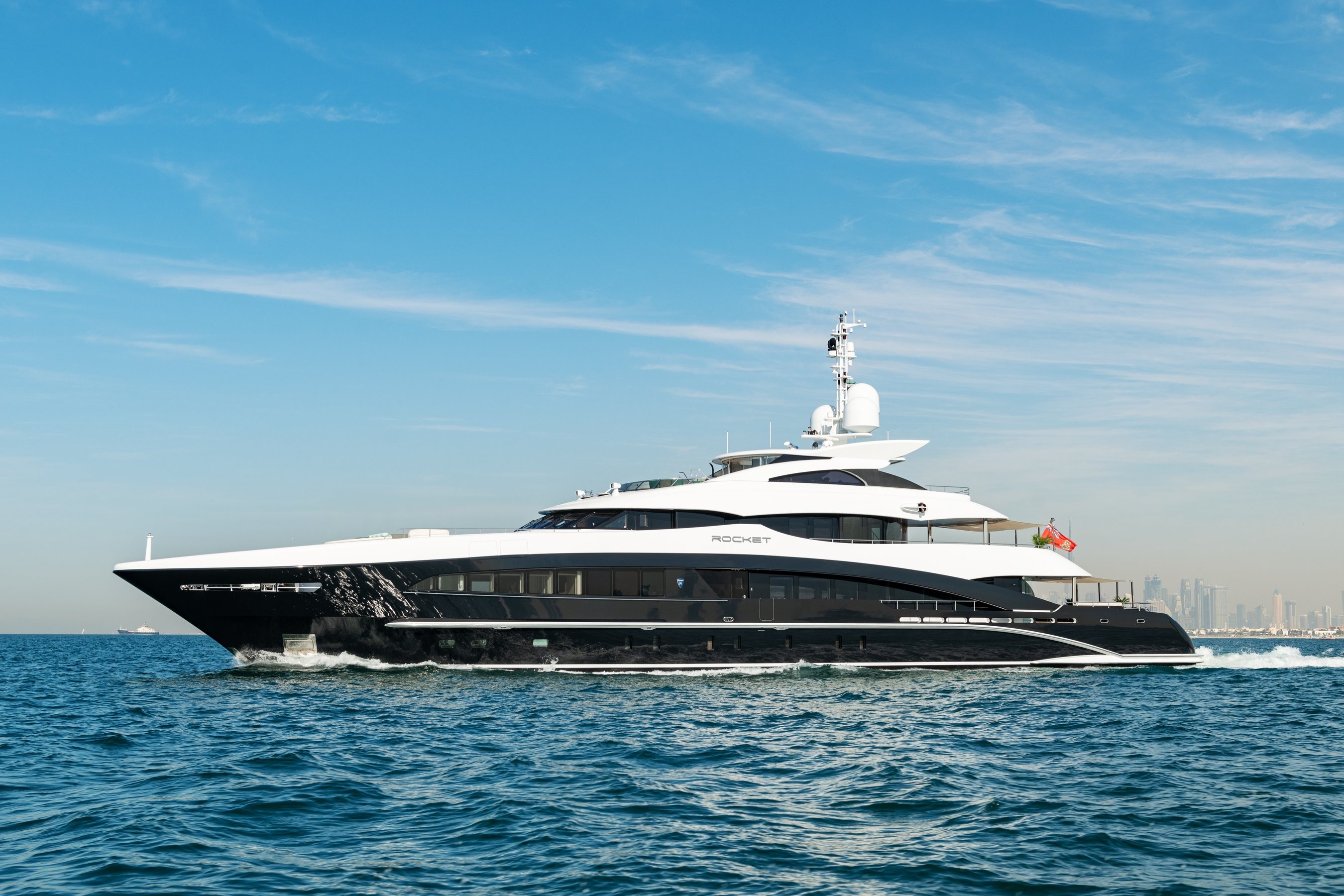
49.8 m · Heesen · 2011
ROCKET
12 guests · 6 cabins
€24,000,000
For sale
View ROCKET →
Lund Yachts · For sale · 40–50m
Explore yachts and superyachts from 40 metres up to, but not including, 50 metres. Compare builders, volume, layouts, crew accommodation and technical specifications, or brief Lund Group for a discreet search across the wider international brokerage market.
40–50m yachts on Lund Group
€4.5M–€24MMedian €18.8M
$25M
Figures come only from published, active listings in the Lund Group database, as of 2026-11-05, measured by length overall (40.00m up to, but not including, 50.00m). Prices stay in their listed currency; medians are hidden below 3 priced listings. This is not a count of the global market. Market methodology →
10 verified listings
49.8 m · Heesen · 2011
12 guests · 6 cabins
€24,000,000
For sale
View ROCKET →
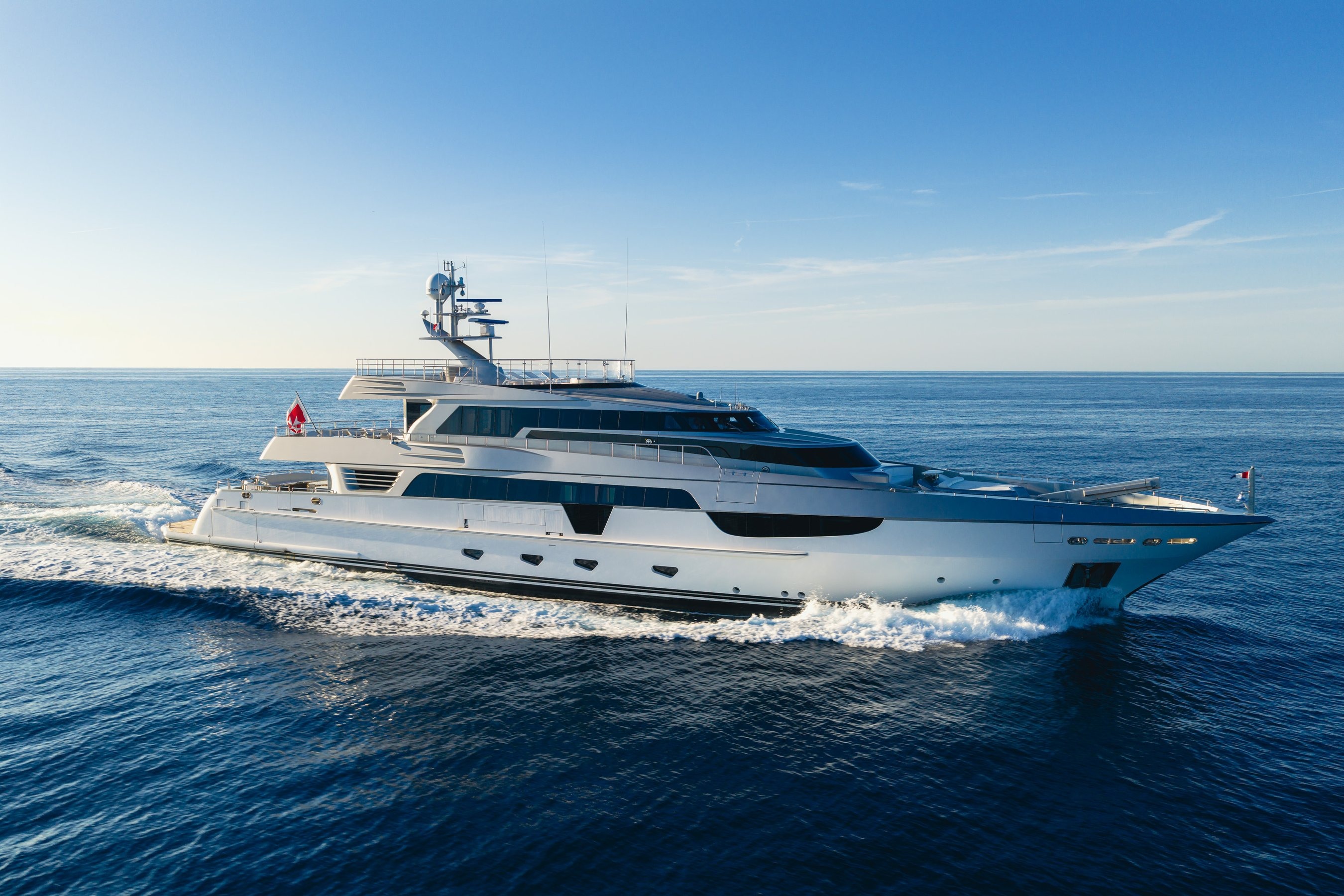
49.7 m · Baglietto · 2007
10 guests · 5 cabins
Motor yacht for sale
€12,500,000
For sale
View ANTALIS →
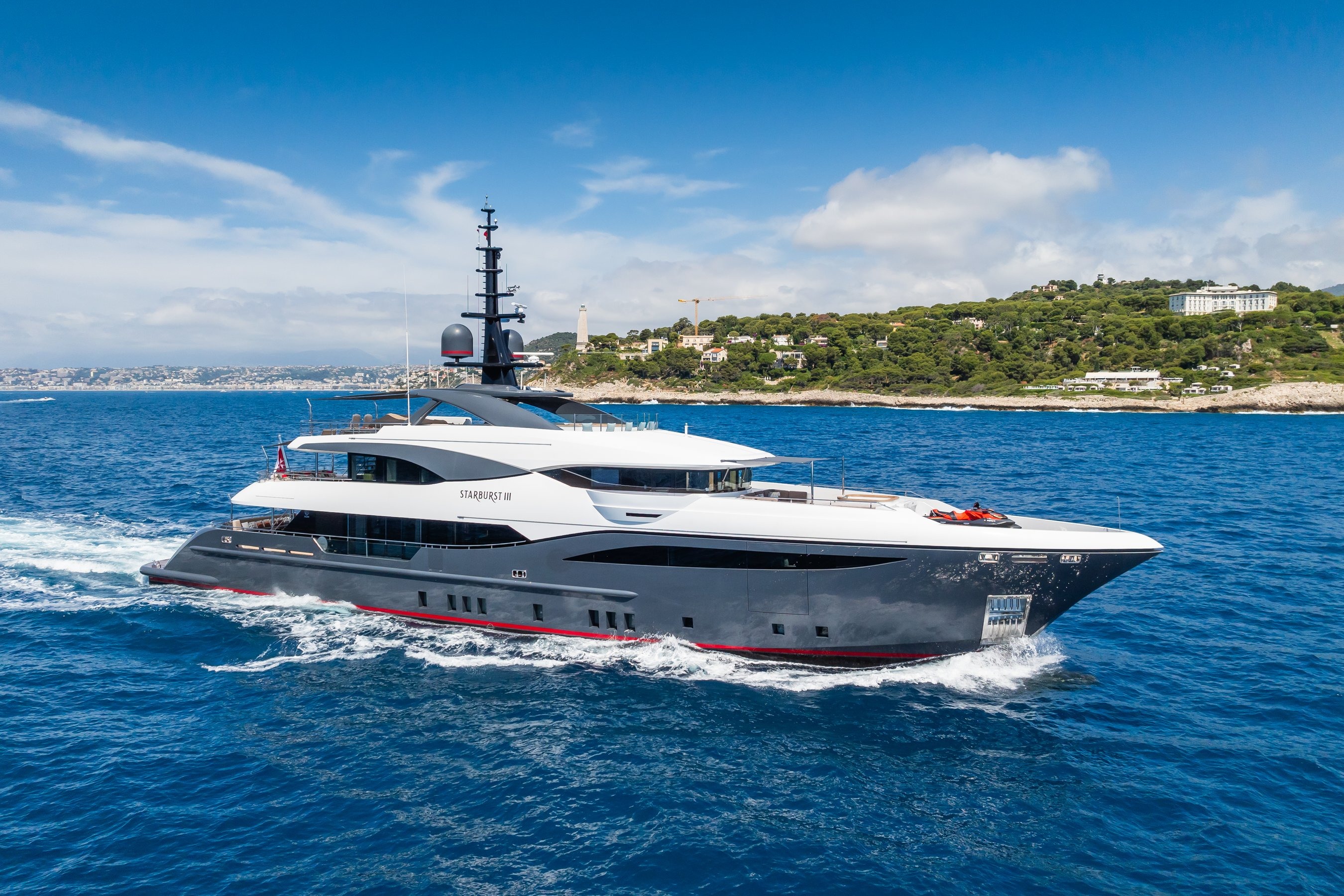
47.4 m · Bilgin Yachts · 2017
10 guests · 5 cabins
€18,750,000
For sale
View STARBURST III →
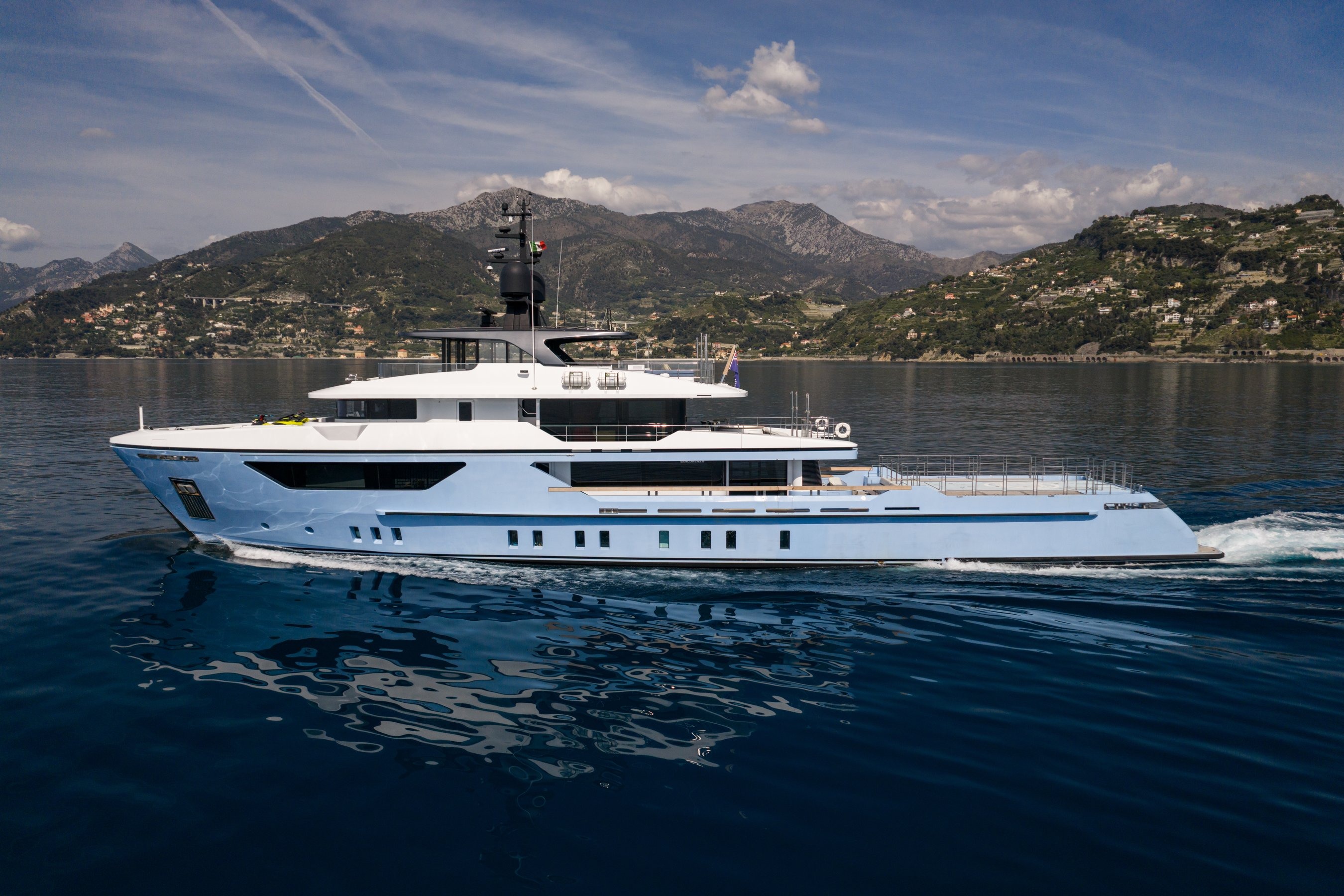
47 m · Sanlorenzo · 2018
12 guests · 6 cabins
Motor yacht for sale
€22,800,000
For sale
View OCEAN DREAMWALKER III →
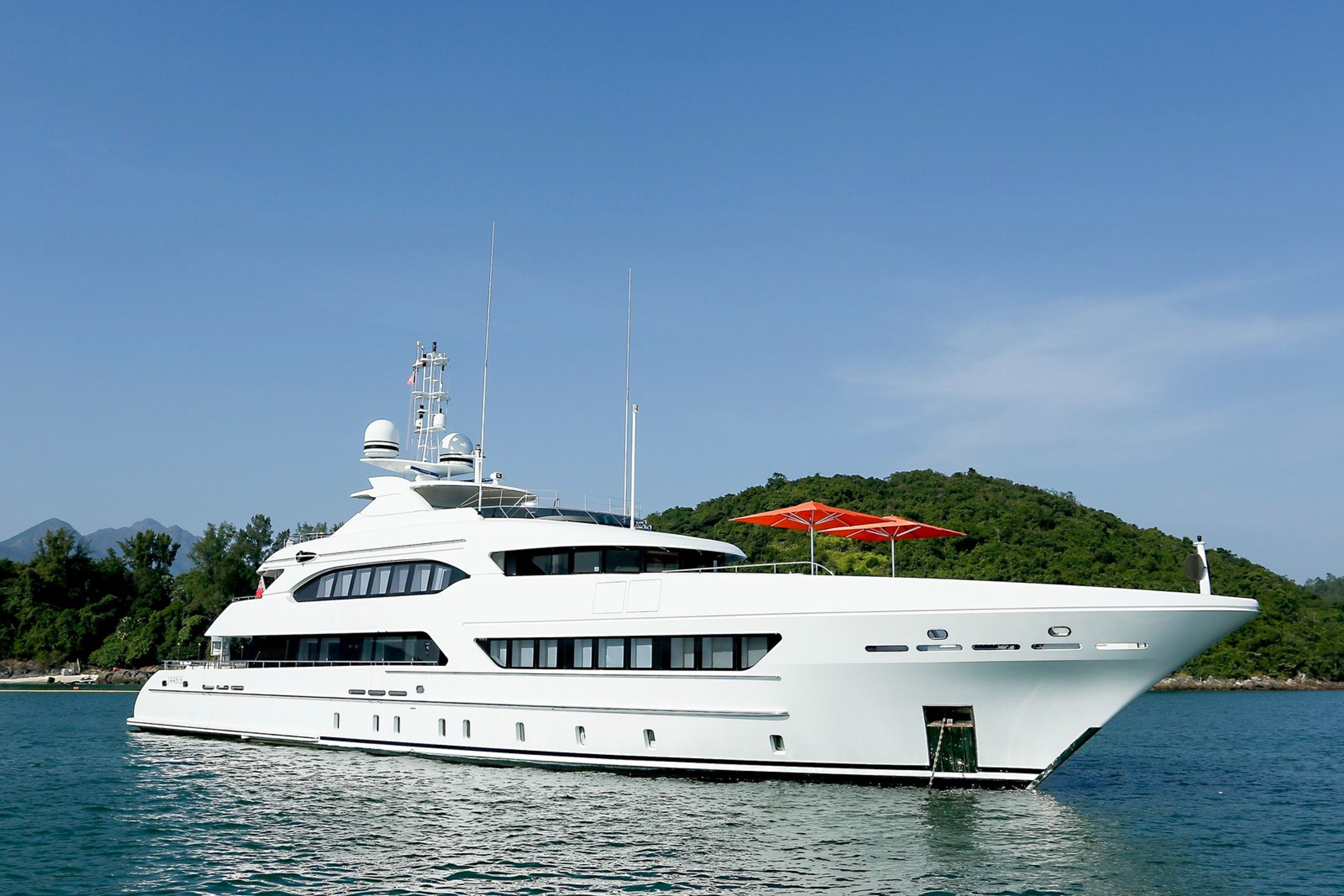
46.7 m · Heesen · 2017
11 guests · 5 cabins
Motor yacht for sale
$25,000,000
For sale
View ARTISA →
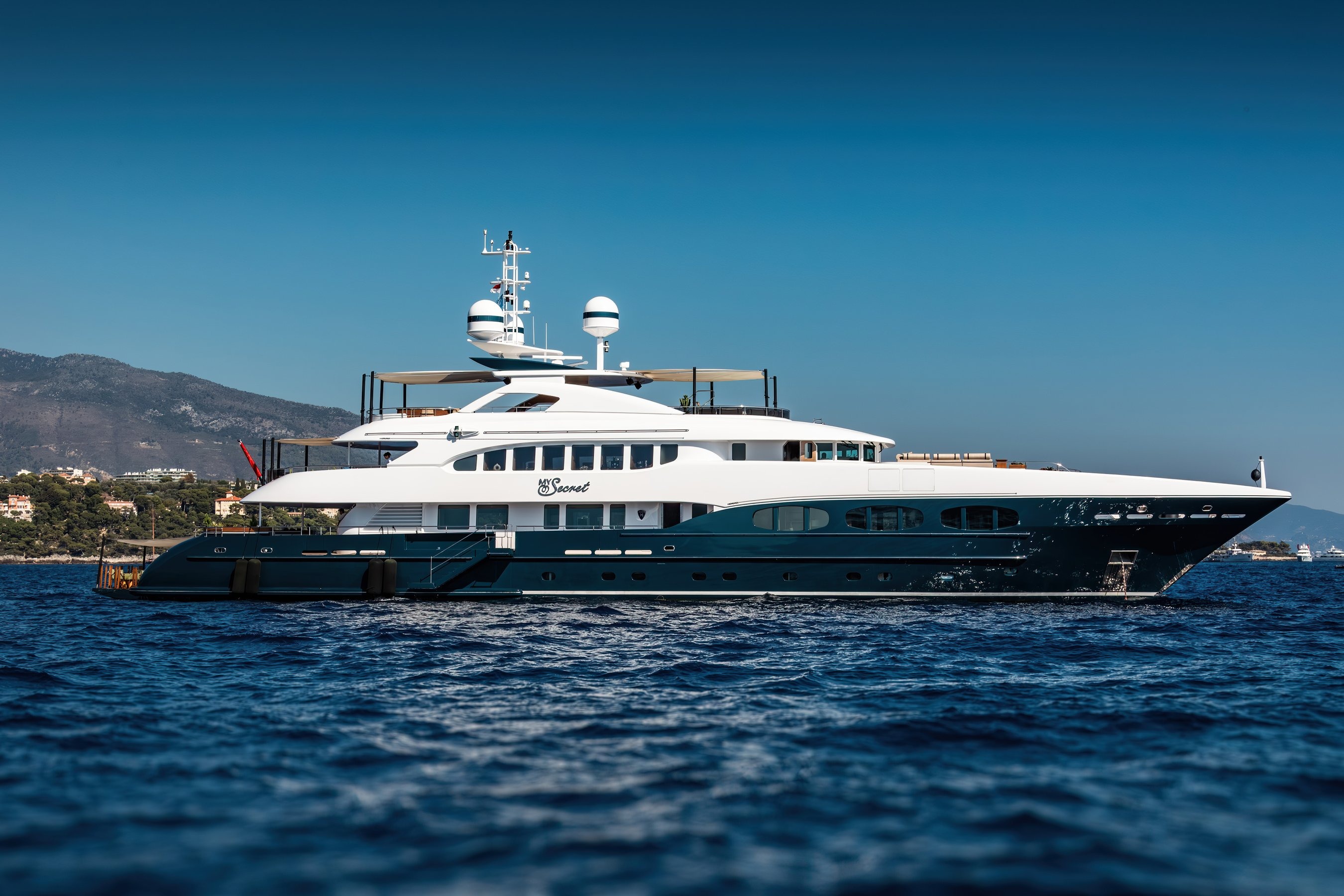
46.7 m · Heesen · 2012
10 guests · 5 cabins
€19,900,000
For sale
View MY SECRET →
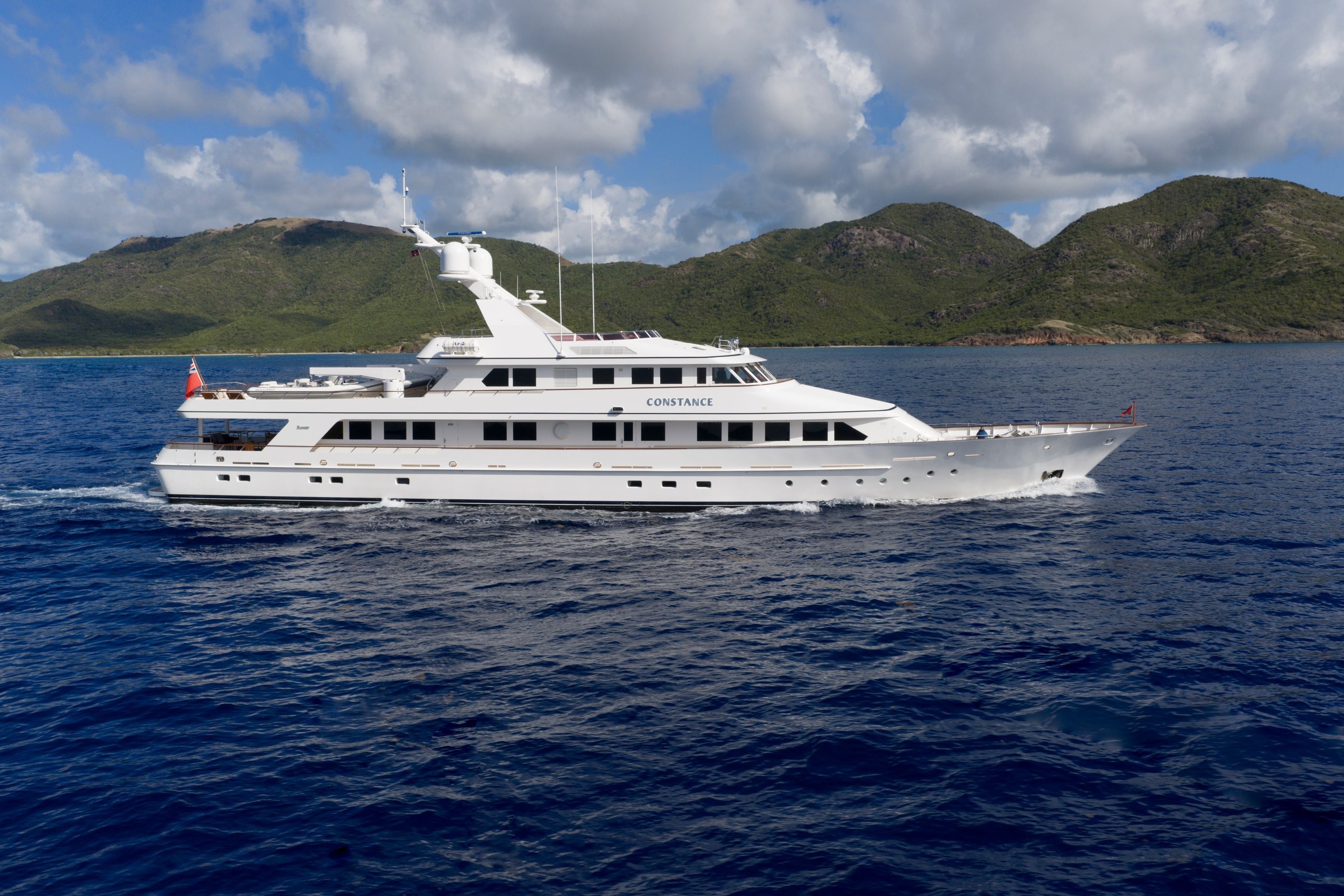
46.4 m · Feadship · 1986
12 guests · 5 cabins
Motor yacht for sale
€13,500,000
For sale
View CONSTANCE →
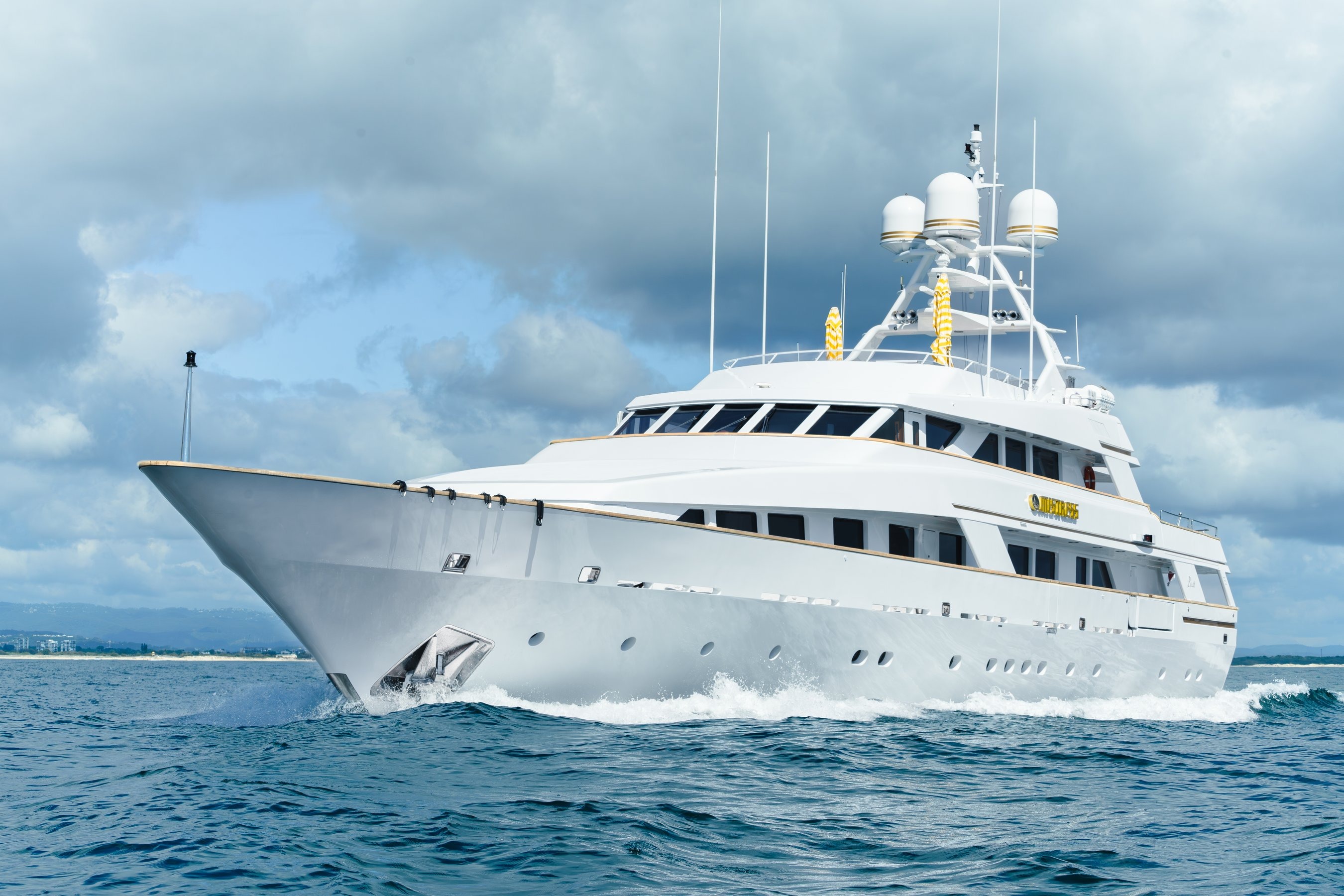
46 m · Benetti · 1991
10 guests · 6 cabins
Motor yacht for sale
€4,550,000
For sale
View MISTRESS →
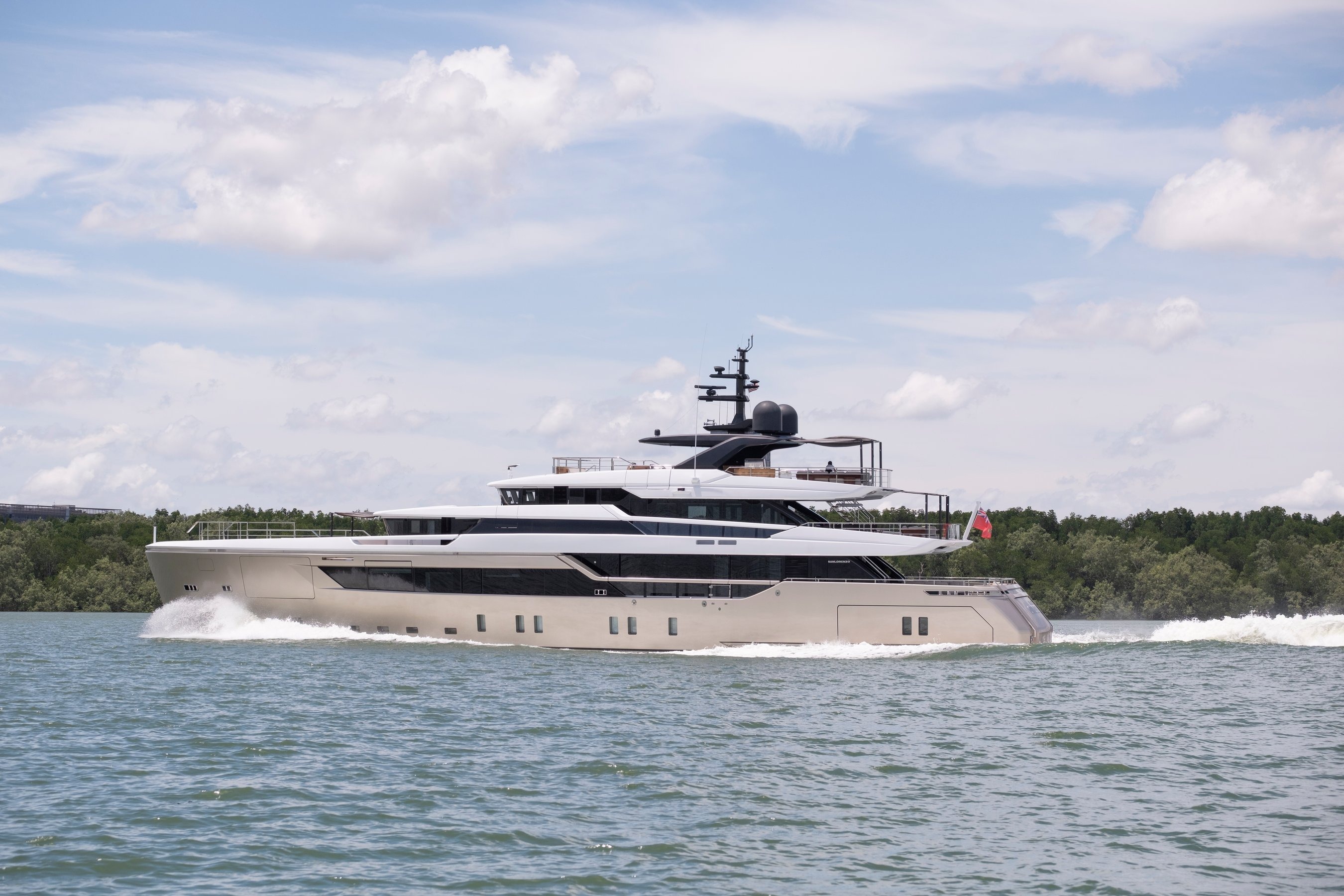
44.5 m · Sanlorenzo · 2021
12 guests · 5 cabins
Motor yacht for sale
€24,000,000
For sale
View ANNABELLA →
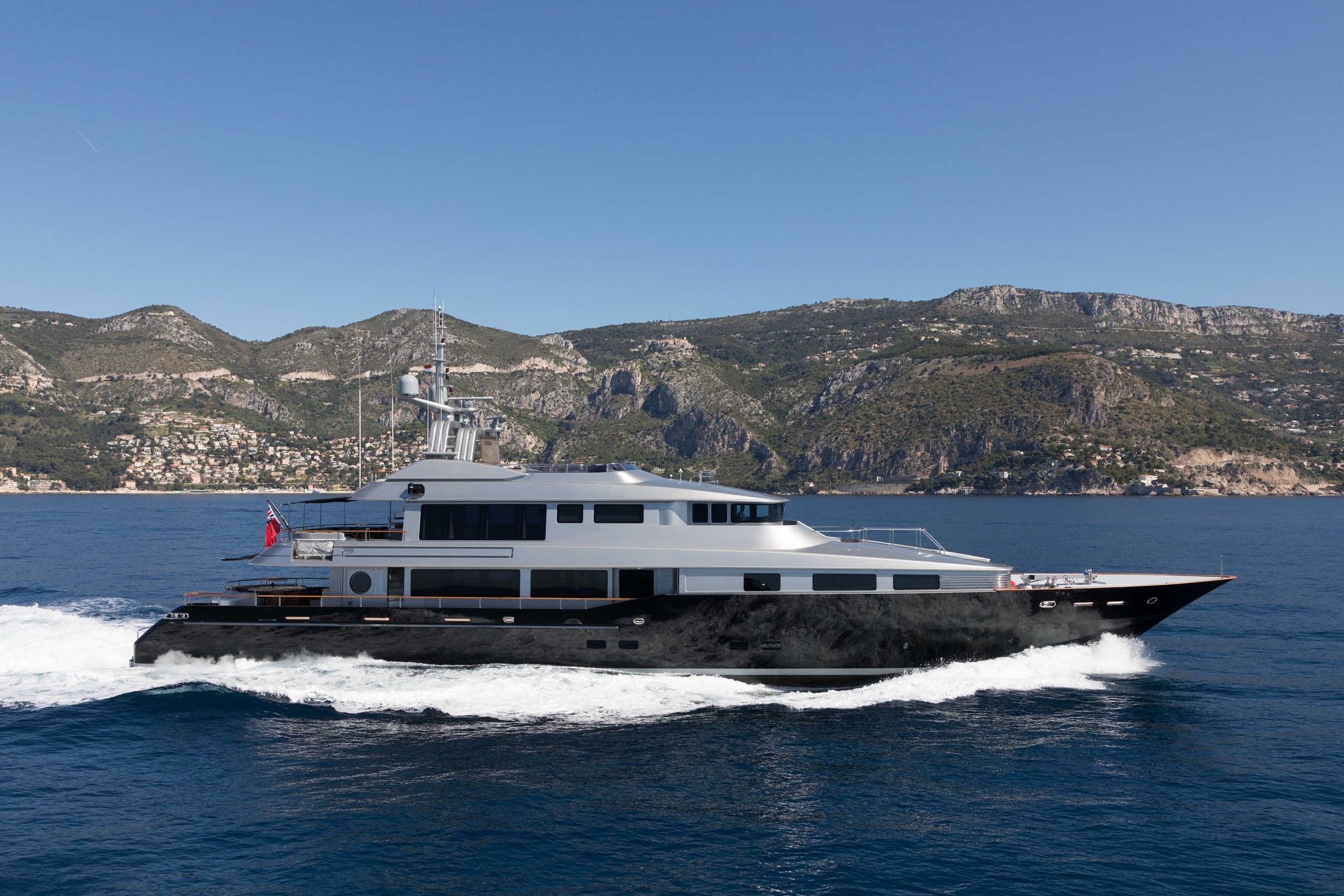
43.8 m · Warren Yachts · 2001
10 guests · 5 cabins
€6,250,000
For sale
View SILVER DREAM →
Specifications, condition, status and asking terms are shown as published and must be verified with the listing agent. Lund Group represents buyers and is not affiliated with any shipyard.
Two sub-bands
40–45m
2 listed
Many semi-custom platforms and fast-displacement yachts, often designed to remain under 500GT, with a full professional crew and separate service circulation.
View 40–45m →45–50m
8 listed
More full-custom and displacement yachts, steel/aluminium construction, owner's decks, larger beach clubs and garages, and a growing share above 500GT.
View 45–50m →A yacht measuring exactly 50.00m appears on the 50–60m page. Smaller yachts are on the 30–40m page. For the wider category, see superyachts for sale.
Volume
Two yachts of the same length can feel completely different on board. Gross tonnage (GT) measures enclosed internal volume — it is not weight, and it is not displacement. At 40–50m, GT is often a better guide than length to living space, crew areas and running costs.
This is general information, not legal or regulatory advice. Confirm the requirements for a specific yacht with its flag, class society and a qualified adviser.
By type
Motor yachts
10 listed at 40–50m
Planing, semi-displacement and displacement yachts — the largest share of this size.
View 40–50m motor yachts →Sailing yachts
0 listed at 40–50m
Performance and blue-water sailing yachts, typically semi-custom or full custom.
All sailing yachts for sale →Catamarans
0 listed at 40–50m
Large power and sailing catamarans with high volume for their length; berthing needs care.
All catamarans for sale →Explorer yachts
0 listed at 40–50m
Long-range, robust yachts built for remote cruising. Mission is documented separately from hull type.
All explorer yachts for sale →Flybridge
Less common at this size; usually a sun deck above the bridge deck.
Tri-deck
Three full decks above the main deck structure. We describe the actual deck arrangement rather than label by length.
Fast / planing
High speed with higher fuel burn. Engine hours and drive condition are critical.
Displacement
Efficient long-range cruising with more volume, usually steel hull and aluminium superstructure.
Open / sport
Performance-led, with fewer interior decks and large exterior areas.
Explorer
Range, tankage, tender capacity and robust systems over speed.
Build type
Build type is one of the biggest differences between yachts of similar length. It shapes how easily a yacht can be compared, how it holds value, and what can be changed.
Builder discovery
Independent buyer guides to builders whose ranges or past deliveries include yachts in this size. Listing counts are live and show only yachts within 40–50m. Lund Group is not affiliated with any shipyard.
0 listed at 40–50m
Semi-custom planing and fast-displacement yachts in this size range.
2 listed at 40–50m
Semi-custom yachts with a strong presence around 40–50m.
1 listed at 40–50m
Platform and series yachts alongside larger custom builds.
1 listed at 40–50m
Full-custom yachts; pre-owned Feadships appear in this band.
3 listed at 40–50m
Aluminium and steel yachts, including fast and displacement designs.
0 listed at 40–50m
Fast open and long-range models.
1 listed at 40–50m
Fast and displacement yachts from a historic Italian yard.
0 listed at 40–50m
Larger flagship models approaching the 30m mark.
0 listed at 40–50m
Performance flagships near the lower edge of the band.
0 listed at 40–50m
Larger Riva and Riva Superyachts models.
0 listed at 40–50m
Flagship models; check actual length against model number.
1 listed at 40–50m
Steel and aluminium semi-custom yachts.
0 listed at 40–50m
Fast and displacement designs, including GT ranges.
Crew and circulation
Every 40–50m yacht is run by a professional captain and crew, and the way crew move around the yacht — separately from guests — shapes the whole layout.
Layout
Technical
Shaft drive
The most common arrangement at this size. Check shafts, seals, bearings and propellers at haul-out.
Waterjets
Found on fast yachts. Check impellers, wear rings and steering hydraulics.
Hybrid / diesel-electric
Quieter running at anchor and low speed. Battery age and system support matter.
Stabilisers
Zero-speed fins or gyros make the biggest difference to comfort at anchor. Check type and service records.
Thrusters and DP
Bow and stern thrusters ease docking; dynamic positioning is rare in this size.
Range and speed
Depend on hull form, load and sea state. Treat brochure figures as indicative, never guaranteed.
Steel + aluminium
Steel hull with aluminium superstructure — typical of displacement yachts. Check for corrosion and coatings.
Aluminium
Common on fast yachts. Check welds, galvanic protection and fatigue.
GRP / composite
Widespread on semi-custom planing yachts. Check core moisture, laminate and stress cracking.
Class and status
Class, flag and commercial code are three different things, and each affects how a yacht can be used and sold.
Charter potential
Many 40–50m yachts are offered for sale and charter at the same time. Charter capability depends on commercial registration, crew, safety equipment, layout and location. Charter rates are not investment returns: income varies with season, demand, management and costs, and is never guaranteed.
Due diligence
Engine and machinery testing should be carried out only by qualified surveyors and the yacht's crew.
Ownership
Costs vary widely by yacht and use. We prepare an outline for a specific yacht rather than quote a generic percentage.
Market intelligence
The snapshot above shows asking-price ranges from our published listings. Asking prices are not transaction prices. Yacht market intelligence →
Private sourcing
Many yachts at this size change hands privately, before or without a public listing. With a clear brief, we approach brokers and owners' representatives discreetly. We cannot promise off-market inventory; every opportunity is confirmed with its owner first.
Brief us privately →New build
Semi-custom platforms can offer shorter delivery than full custom, while full custom suits owners with time and a defined brief. Hulls on speculation and build slots are new-build opportunities, not resale listings, and delivery dates and prices must be confirmed by the builder. Explore new-build advisory →
Selling
We position your yacht against true comparables — same size band, build type, generation and volume — and present it discreetly to qualified buyers. Sell your yacht →
Process
The count on this page is live and shows only verified, published listings. When none are published in this size range, we can still search the wider market privately for your brief.
No. This page covers yachts from 40.00m up to, but not including, 50.00m length overall. A yacht of exactly 50m appears on the 50–60m page. A yacht of exactly 40m appears here.
Yes. Some yachts are offered for sale while continuing to charter. Charter bookings, commercial registration and crew contracts can affect timing of handover, so we confirm them before any offer.
Gross tonnage (GT) measures enclosed internal volume, not weight. Many yachts near 40–45m are designed as 499GT; larger 45–50m yachts often exceed 500GT, a threshold that commonly affects crew certification and some regulatory requirements depending on flag and use. The yacht's own tonnage certificate is the only reliable source.
Typically a professional crew, often somewhere in the region of eight to twelve, but the right number depends on the yacht, its flag, its use, private or charter, and the owner's service expectations. Minimum safe manning is set by the flag state.
Running costs depend on crew, berth, fuel, insurance, maintenance, class and management. We prepare a cost outline for a specific yacht rather than quoting a generic percentage of its value.
No. Lund Group is independent and represents buyers. We are not affiliated with or authorised by any shipyard.
40–50m acquisition enquiry
Tell us the size, type, build type, volume, layout, crew set-up, cruising area and budget you have in mind. A yacht adviser will reply personally and in confidence. You can also reach us on WhatsApp.